
Root canal is a dental treatment used to treat infections that occur in tooth pulp which is the innermost layer of the teeth. In the United States, every year dentists do more than 15 million root canals. One of the reasons why people prefer root canal treatment is as it is a painless treatment. This dental procedure saves the tooth which gets severely infected or damaged.
After the root canal treatment, you can be assured of restoring functionality and preserves natural tooth structure. The procedure is known to be an effective solution in maintaining oral health and preventing tooth extraction.

Tooth decay and infections are used to lay a negative impact on the overall health as it may spread to the other body parts. If the tooth decay is left untreated, it may even cause inflammation that affects your health. Tooth decay can also lead to heart disease, diabetes, and stroke. Some other health issues due to tooth infections are:
Therefore, it needs to be treated and addressed. A patient may prevent this by going for regular checkups, regular brushing and flossing, and limiting the intake of sugary drinks.
A root canal is important for your tooth if the bacteria that is inside your mouth causes inflammation or pulpitis, deep cavities, cracked or damaged teeth. All this can cause plaque that may cause infection in your tooth pulp. However, before going for root canal treatment, it is important that you must consult the best dentist in Frisco, follow instructions given by the dentist, avoid tobacco and alcohol, and eating a balanced diet.
Some indications that require a root canal treatment are as follows:
One of the first steps in root canal treatment is the initial consultation with your endodontist or dentist. In the initial consultation, the dentist will examine your teeth through X-rays. It will help to analyze the severity of damage that have occurred in the pulp or other areas of the mouth.
After the consultation, they will diagnose whether your tooth is suitable for root canal treatment or not based on the symptoms such as swelling, severe pain, and temperature sensitivity. If your pain after root canal treatment is lasting for more than 3 to 4 days, you need to go for a dental visit.
The discussion phase will follow in which the dentist will discuss the root canal process, risks and the benefits of the treatment. They may even suggest you the aftercare tips and may provide necessary answers to your questions.
Root canal treatment requires preparation that may help you smooth the overall procedure. Some steps are as follows:
Having anxiety during dental procedures is common. However, managing it may be helpful to improving the overall experience.
Root canal treatment may seem complicated. However, if you understand the overall procedure, it may be less scary.
Let’s take a look at what happens during the root canal procedure in the step-by-step guide.
Step 1: Local Anesthesia
Your dentist may start by numbing the area surrounding your tooth by giving you local anesthesia. It will ensure that your overall treatment is painless.
Step 2: Isolation
To keep the infected tooth isolated from the surrounding area, the dentist will use a rubber dam and place it across the tooth to keep it away from saliva during the treatment.
Step 3: Access Opening
The dentist will then create a small opening at the top of your tooth. This will give easy access to the root canal and pulp chamber.
Step 4: Removing Infected Pulp
Your dentist will make use of tools that will help to remove any damaged pulp from the tooth.
Step 5: Cleaning and Shaping
After then, the canal is then cleaned and given appropriate shape so that they get prepared for filing. In this step all the inflammation and infection will get eliminated.
Step 6: Filling the Canals
In the procedure, the canals are filled with a biocompatible material that will help the tooth to get sealed. It will also prevent any further infection.
Step 7: Temporary Filling or Permanent Restoration
The tooth will then be restored with a permanent filling or a crown by replacing the temporary filling.
The root canal treatment may be enhanced by using modern technologies such as digital imaging, microscopes, rotator instruments, laser technology, or computer-aided anesthesia that will ease out any dental anxiety.
Anesthesia is important during root canal treatment as it eases out the pain and discomfort that may arise out of pain. Some dentists may use:
All these in combination with modern technology may be effective in performing the root canal treatment.
Patients who want a successful recovery after the root canal treatment need to follow the aftercare practices and must understand what to expect after the procedure.
In the first few days, the pain or discomfort may arise. However, it will lessen with time. After the placement of permanent restoration, your normal functioning of the tooth will get restored. At every stage of the procedure, it is vital that you must keep consulting the dentist and follow their instructions.
Immediately after the treatment, a patient must consume the following:
Seeing is believing. Below is an overview of the kinds of dramatic changes our patients experience with cosmetic treatment at Pinnacle Dental. While every individual’s results may vary, these transformations reflect the quality of care and artistry our team brings to every smile.
Contact Us
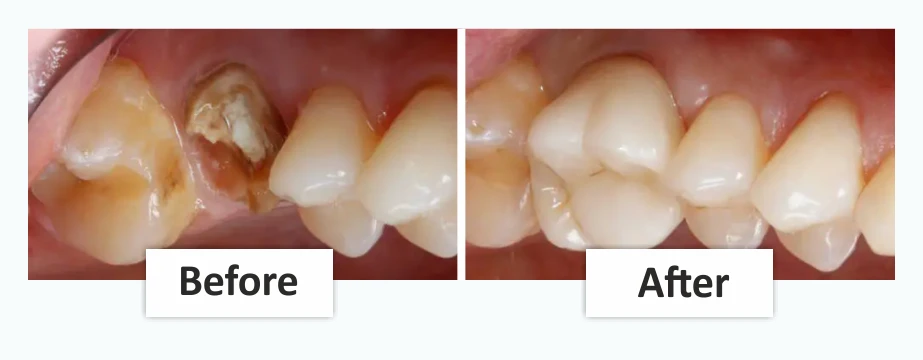
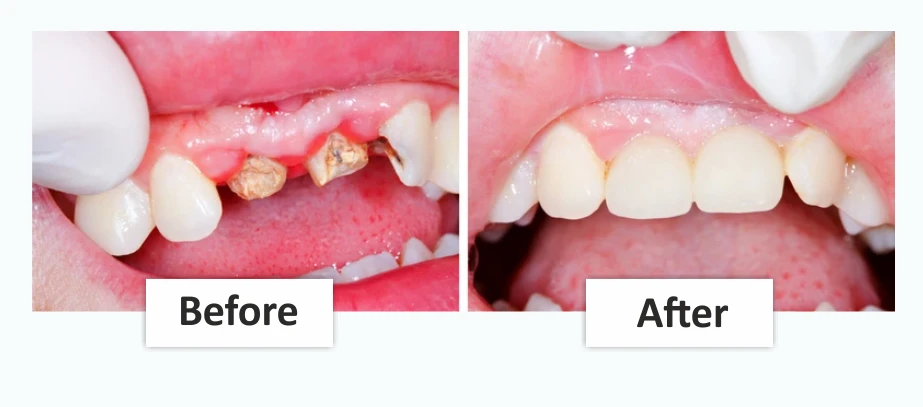
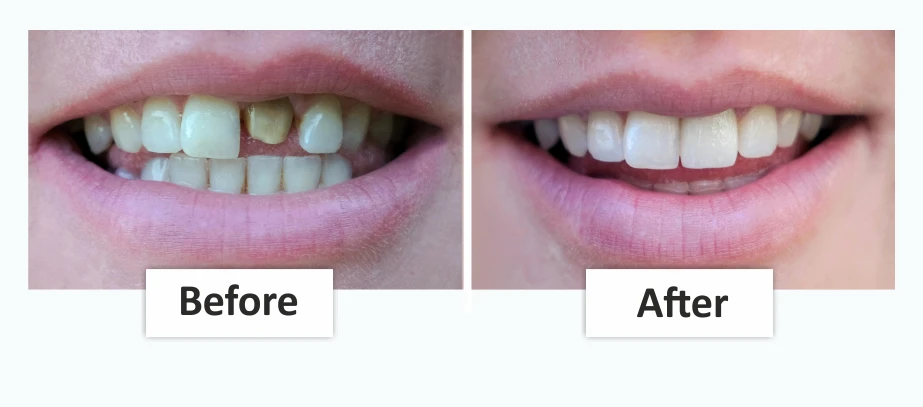
For people who are experiencing severe toothache or infection and want to get root canal treatment, you may get help from dental experts at Pinnacle Dental. They will provide the best solution for your tooth according to your dental health. Our root canal specialists will help you to increase your confidence and get you an attractive smile.
Plano Office Hours
Contact Details
Frisco Office Hours